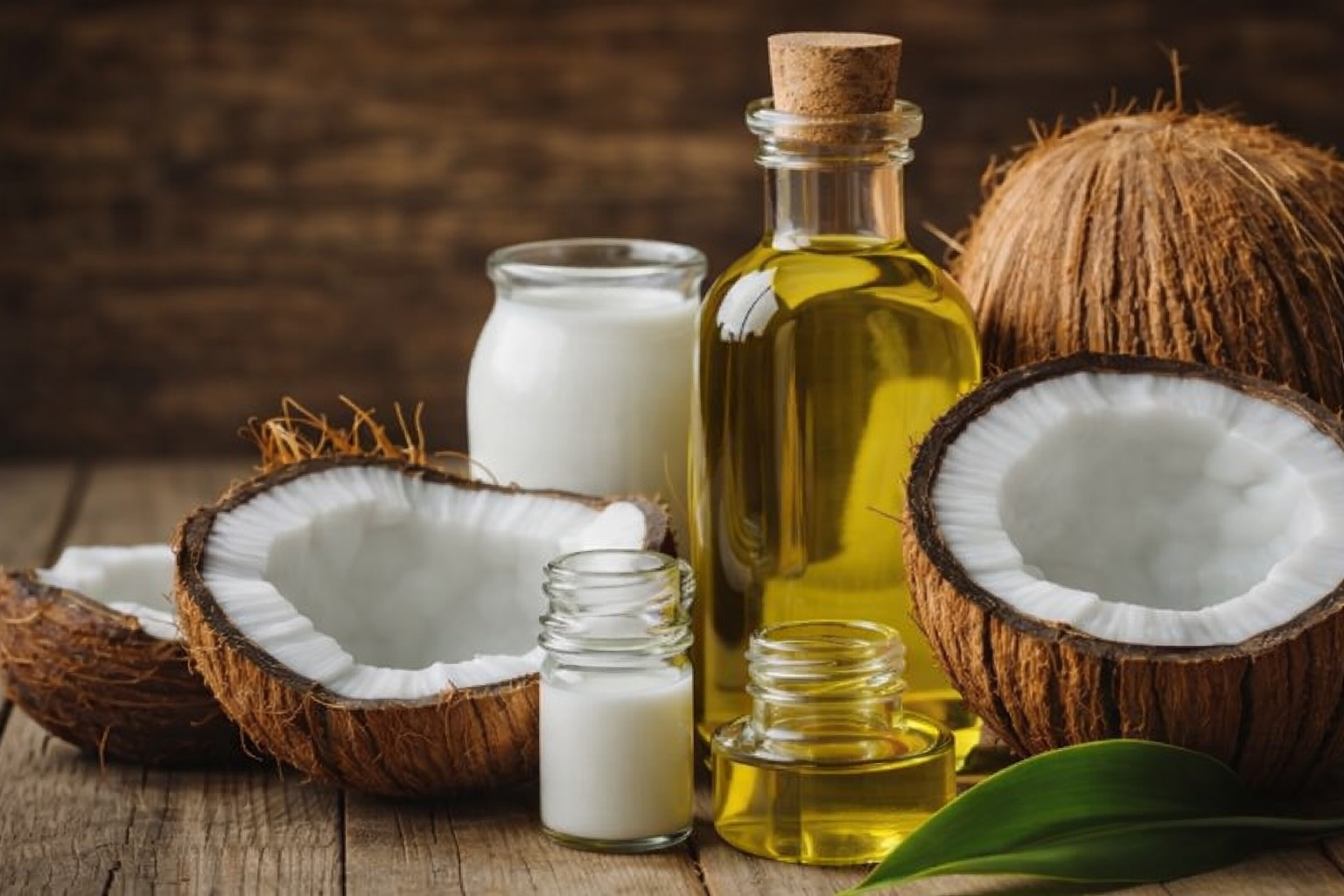
Virgin coconut oil comes from fresh coconut kernel
Virgin coconut oil is generally understood as coconut oil obtained from the fresh, mature kernel of coconut using natural or mechanical methods. It is not defined by heavy refining steps. Instead, it is processed in a way that preserves the natural character of the oil and keeps it suitable for consumption without further refining.
This is one of the main reasons VCO is treated differently from standard refined coconut oil in the market. In commercial terms, buyers often associate VCO with a more natural positioning, a fresher sensory profile, and a more premium product story.
The key point is simple: not every coconut oil is VCO. The term usually refers to oil made from fresh coconut meat rather than oil that starts from copra and then goes through refining, bleaching, and deodorizing.
What VCO usually looks and smells like
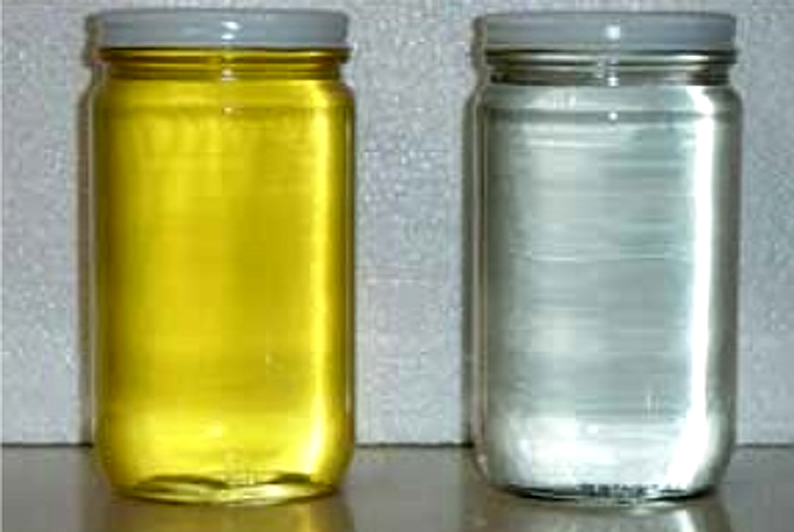
Buyers typically expect virgin coconut oil to appear clear to colorless and to carry a mild fresh coconut aroma. The processing manual also describes coconut oil as having a distinct coconut aroma and flavor when pure, without a rancid note.
In actual trade, the aroma strength can vary. Some VCO has a softer and lighter coconut note, while other lots may smell more noticeably like fresh coconut. That difference often reflects the process route and handling conditions rather than simply meaning one product is good and the other is bad.
At a basic visual level, buyers want oil that looks clean, bright, and free from suspended impurities. Any off-odor, stale note, or visual haze outside expected temperature-related behavior can raise concern.
How virgin coconut oil is produced
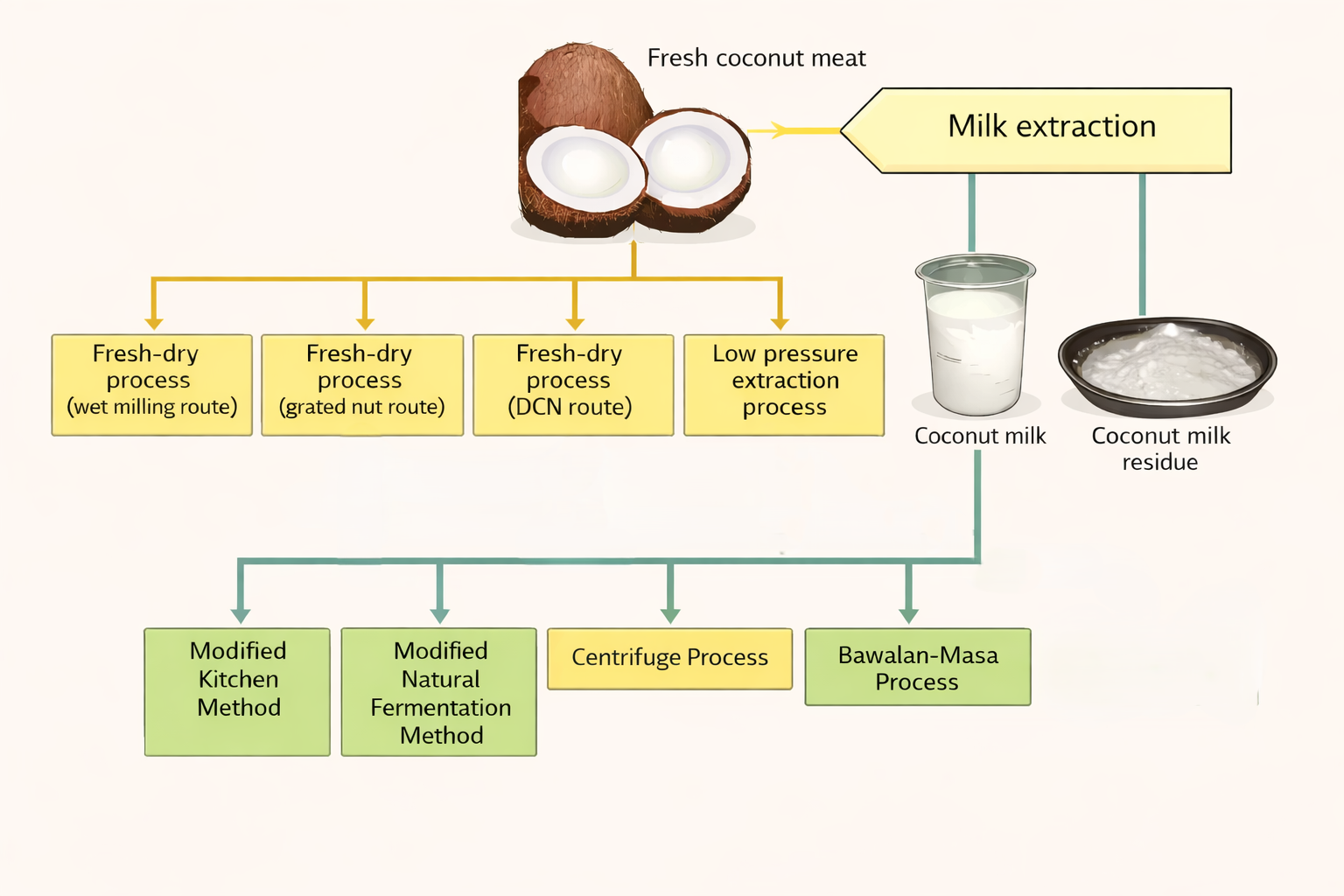
The production manual shows that VCO can be made through several processing routes starting from fresh coconut meat. Broadly, these include fresh-dry pathways and milk-based pathways. In the milk-based route, coconut milk is extracted and then oil is separated using methods such as modified kitchen processing, natural fermentation, centrifugation, or the Bawalan-Masa process.
The flowchart is useful because it shows that “VCO” is not one single production method. It is a product category that can be reached through multiple process routes, each with different labor requirements, equipment needs, throughput, sensory impact, and scale implications.
For a buyer, the exact route matters less than whether the producer can maintain consistency in raw material selection, sanitation, moisture control, filtration, packaging, and storage. Good process control is usually what separates a stable, export-ready oil from an inconsistent one.
Different routes can shape the final product
Because VCO starts with fresh coconut material, handling quality is important from the very beginning. Clean coconuts, proper maturity, fast processing, and careful separation all influence the final oil. Different process routes can affect aroma intensity, clarity, dryness of the final oil, and overall shelf stability.
That is why serious buyers often ask not only for the product specification, but also for a brief explanation of how the oil is made. Even when two oils both meet a general “VCO” description, their performance in food, cosmetics, or private label applications may differ depending on process consistency.
VCO vs refined coconut oil
One of the easiest ways to understand virgin coconut oil is to compare it with refined coconut oil. Refined coconut oil is usually linked to copra-based processing followed by refining, bleaching, and deodorizing. Virgin coconut oil, in contrast, is linked to fresh kernel processing and avoids those heavy refining steps.
This difference affects both product story and product appearance. Refined coconut oil is usually more neutral in odor and often more commodity-like in market positioning. VCO is more often marketed as natural, fresh-kernel based, and suitable for premium food, wellness, and personal care applications.
Virgin Coconut Oil
- Produced from fresh mature coconut kernel
- Uses natural or mechanical processing
- No chemical refining, bleaching, or deodorizing
- Usually clear to colorless
- Often retains a mild fresh coconut aroma
- Used for premium food and personal care positioning
Refined Coconut Oil
- Typically associated with copra-based processing
- Undergoes refining, bleaching, and deodorizing
- More neutral smell and taste
- Often sold as a more standard commodity oil
- Different sensory profile from VCO
- Commonly used where strong coconut note is not desired
Why VCO can turn solid in cooler temperatures
Coconut oil behaves differently from many liquid vegetable oils. The manual notes that coconut oil is usually liquid at about 27°C and solid at about 22°C. So if your virgin coconut oil becomes cloudy, semi-solid, or fully solid in a cooler room, that is often a normal physical characteristic rather than a sign of damage.
This is one of the most common questions from first-time buyers. A clear bottle of VCO can look completely different depending on room temperature, shipping conditions, or warehouse environment. That change is usually reversible when the oil is warmed gently.
What buyers normally check first
In practice, buyers usually evaluate virgin coconut oil through both sensory checks and specification checks. Sensory checks include clarity, cleanliness, and aroma. Specification checks may include moisture, free fatty acid level, peroxide value, and other routine quality indicators depending on the intended use.
Even if a supplier describes a product as VCO, buyers still want confirmation that the oil has been properly handled, filtered, stored, and packed. Good packaging, clean containers, and supporting documentation help reinforce that the oil is ready for commercial use.
Simple buyer checklist
- Is the oil visually clear and clean?
- Does it smell fresh rather than stale or rancid?
- Was it produced from fresh coconut kernel?
- Was it made without chemical refining, bleaching, or deodorizing?
- Does the supplier provide specification or lab support if needed?
- Does the oil match the intended food or personal care application?
Why VCO is often positioned as a premium coconut product
Virgin coconut oil is often treated as a higher-value coconut oil because it connects process story, sensory character, and commercial positioning in a way that refined oil usually does not. It is commonly marketed for food, wellness, massage, personal care, and cosmetic use where a more natural product image is important.
That does not mean every VCO is automatically premium. Real commercial value still depends on consistency, handling, packaging, documentation, and how well the oil suits the end application. Good VCO is not only about the label. It is about repeatable process control and reliable quality.
Not all coconut oil should be called VCO
In everyday conversation, people often use “coconut oil” and “virgin coconut oil” as if they mean the same thing. Commercially, that can be misleading. VCO usually refers to oil from fresh coconut kernel processed without the usual refining route, while other coconut oils may belong to different processing categories.
For that reason, a buyer should not only ask for “coconut oil.” It is better to ask what raw material was used, how the oil was produced, and whether the product is being sold as virgin, refined, or another coconut oil type.